Last Updated July, 2026
Introduction
For many people planning to study, work, or settle abroad, receiving an admission letter, employment contract, or visa invitation feels like the biggest hurdle. Yet one important requirement often catches applicants by surprise—the immigration medical examination.
Whether you’re applying for a student visa to Canada, a skilled worker visa for Australia, permanent residence in New Zealand, a work permit in the Gulf region, or an immigrant visa to the United States, medical screening is an essential part of the immigration process for millions of applicants every year.
The purpose is not to prevent people with medical conditions from travelling. Rather, governments use immigration health examinations to protect public health, manage healthcare systems, and ensure applicants meet the medical requirements established under national immigration laws.
Understanding what happens during these examinations—and how requirements differ from one country to another—can save applicants significant time, money, and unnecessary stress.
In 2026, immigration systems continue to evolve. Digital health records, electronic medical reporting, expanded vaccination policies, and stronger disease surveillance have changed how medical examinations are conducted across many countries.
Applicants who understand these changes are better prepared to complete their immigration journey without avoidable delays.
This guide provides a comprehensive overview of immigration medical examinations worldwide, explaining official requirements, country-specific procedures, common medical tests, documentation requirements, interview preparation, and practical tips based on guidance published by official immigration authorities.
Whether you’re an international student, skilled professional, temporary worker, permanent residence applicant, or family-sponsored immigrant, this guide is designed to help you navigate one of the most important stages of your immigration application.
Helpful Guides:
The Ultimate Visa Interview Preparation Guide for Every Country (2026): https://zhcfaculty.com/2026/07/01/ultimate-visa-interview-preparation-guide-2026/
Complete Global Visa Refusal Guide: Common Reasons, Appeals and Reapplication Strategies (2026): https://zhcfaculty.com/2026/07/01/global-visa-refusal-guide-common-reasons-appeals-reapplication-strategies-2026/
Complete Gulf Countries Work Visa and Employment Guide 2026: https://zhcfaculty.com/2026/06/29/complete-gulf-countries-work-visa-and-employment-guide-2026/
Complete Scandinavian Immigration and Study Guide 2026: https://zhcfaculty.com/2026/06/29/complete-scandinavian-immigration-and-study-guide-2026/
Complete European Union Study and Employment Guide 2026: https://zhcfaculty.com/2026/06/29/complete-european-union-study-and-employment-guide-2026/
Complete USA Immigration, Study and Employment Guide 2026: https://zhcfaculty.com/2026/06/28/complete-usa-immigration-study-and-employment-guide-2026/
Background
Why Do Countries Require Immigration Medical Examinations?
Immigration medical examinations have existed for more than a century.
Historically, governments introduced health screenings to reduce the spread of infectious diseases entering their borders. Early immigration checkpoints focused primarily on illnesses such as tuberculosis, cholera, plague, and smallpox.
Over time, public health priorities evolved.
Today, immigration medical examinations serve several purposes beyond disease prevention. Governments also assess whether applicants may require significant healthcare services, determine vaccination compliance where applicable, and verify that individuals meet health standards established under national immigration legislation.
Contrary to common misconceptions, these examinations are generally not designed to judge an applicant’s overall fitness or physical appearance.
Instead, immigration physicians evaluate whether an applicant has specific medical conditions that may affect public health, public safety, or eligibility under the destination country’s immigration regulations.
Why Requirements Differ Between Countries
One question applicants often ask is:
“Why do different countries require different medical examinations?”
The answer lies in national immigration policy.
Every country establishes its own immigration laws based on factors such as:
- Public health priorities.
- Healthcare capacity.
- Disease prevention strategies.
- Population health risks.
- Labour market needs.
- National security considerations.
- International health regulations.
As a result, medical requirements vary considerably.
For example:
Some countries require medical examinations only for long-term visas.
Others require examinations based on the applicant’s country of residence.
Certain destinations focus primarily on tuberculosis screening.
Others place greater emphasis on vaccination history, chronic illnesses, or conditions that could create excessive demand on public healthcare systems.
Understanding these differences helps applicants prepare more effectively before beginning the immigration process.
Who Usually Needs an Immigration Medical Examination?
Medical examinations are commonly required for applicants in the following categories:
International Students
Students enrolling in universities, colleges, vocational institutions, or language schools may be required to complete health examinations depending on the destination country and the duration of their studies.
Skilled Workers
Many employment visa programmes require medical examinations before work permits can be issued.
Healthcare workers, childcare professionals, teachers, food handlers, and other occupations involving close public contact often face additional health screening requirements.
Permanent Residence Applicants
Permanent immigration pathways typically involve more comprehensive medical assessments than temporary visas.
Countries frequently require permanent residence applicants to complete examinations through designated panel physicians approved by immigration authorities.
Family Sponsorship Applicants
Spouses, dependent children, parents, and other sponsored family members may also be required to complete immigration medical examinations before visas are granted.
Refugees and Humanitarian Applicants
Medical assessments are often incorporated into humanitarian immigration programmes to identify urgent healthcare needs while protecting public health.
Procedures vary depending on the country’s immigration framework.
The Role of Panel Physicians
One of the most important aspects of immigration medical examinations is understanding who is authorized to perform them.
In many countries, applicants cannot simply visit their family doctor.
Instead, governments appoint designated medical professionals—often called panel physicians or approved doctors—to conduct immigration examinations according to standardized procedures.
These physicians receive authorization from immigration authorities to:
- Perform immigration medical examinations.
- Complete official medical forms.
- Upload medical results electronically where required.
- Follow government-approved examination standards.
Using an unauthorized physician may result in your medical examination being rejected.
Applicants should always confirm that their examining doctor appears on the official list published by the immigration authority for their destination country.
Digital Transformation of Immigration Medical Examinations
The immigration medical process has changed significantly over the past decade.
Many countries now use secure electronic systems that allow panel physicians to submit medical reports directly to immigration authorities.
This has reduced paperwork, improved processing times, and minimized the risk of lost documentation.
Electronic medical reporting also allows immigration officers to review results more efficiently while maintaining applicant confidentiality.
However, applicants should still retain copies of any receipts, appointment confirmations, or medical identification numbers provided during the examination process.
Why Proper Preparation Matters
Medical examinations are rarely complicated.
Most delays occur because applicants:
- Schedule examinations too late.
- Visit unauthorized physicians.
- Forget required documents.
- Fail to disclose previous medical conditions.
- Miss vaccination requirements.
- Ignore official instructions.
Good preparation can significantly reduce delays and improve the overall immigration experience.
As with every stage of the immigration process, following official guidance is the safest approach.
What This Guide Covers
Throughout this guide, you’ll learn:
- Which countries require immigration medical examinations.
- Who must complete them.
- Common medical tests explained.
- Country-specific health requirements.
- Vaccination rules.
- Documentation requirements.
- Medical inadmissibility considerations.
- Application procedures.
- Common mistakes to avoid.
- Frequently asked questions.
- Official government resources for further guidance.
By understanding these topics before beginning your application, you’ll be better equipped to complete your immigration journey confidently and in full compliance with official requirements.
Official Requirements
One of the most common misconceptions about immigration medical examinations is that every applicant must undergo the same tests and meet the same health standards.
That is not the case.
Medical examination requirements differ depending on several factors, including:
- The destination country.
- The visa category.
- The length of your intended stay.
- Your country of residence or travel history.
- Your age.
- Your occupation.
- Your personal medical history.
For this reason, applicants should always review the official guidance published by the immigration authority of the country where they intend to study, work, or settle.
While each country has its own immigration laws, there are several core requirements that appear consistently across many immigration systems.
Educational Requirements
Unlike student admissions, immigration medical examinations do not generally require applicants to possess a particular level of education.
However, your educational status may determine:
- The visa category you apply for.
- Whether a medical examination is required.
- The supporting documents requested.
For example:
International Students
Students admitted to universities, colleges, vocational schools, or research institutions may be required to complete immigration medical examinations if:
- Their programme exceeds a specified duration.
- They intend to work in healthcare or childcare during their studies.
- They have lived in countries identified as having higher public health risks.
- The destination country’s immigration regulations require medical screening for student visas.
Educational documents commonly requested include:
- Admission letter.
- Confirmation of enrolment.
- Acceptance letter.
- Scholarship award (if applicable).
- Academic transcripts (where required for the visa application).
Although these documents are not part of the medical examination itself, they are often required during the overall immigration process.
Language Requirements
Medical examinations themselves rarely include formal language tests.
However, applicants should be able to communicate effectively with the examining physician.
If language barriers exist, some immigration authorities permit applicants to attend with:
- An approved interpreter.
- A family member (where permitted).
- A guardian for minor applicants.
Always confirm the rules in advance, as some panel physicians require interpreters to meet specific standards.
For visa categories requiring language proficiency—such as skilled migration or higher education—the language requirement is usually assessed separately through approved testing organizations rather than during the medical examination.
Work Experience Requirements
Medical examinations generally do not require applicants to demonstrate professional experience.
However, work experience becomes relevant when applying under employment-based immigration programmes.
Certain occupations may require additional health screening.
Examples include:
Healthcare Professionals
Doctors, nurses, caregivers, laboratory technicians, and other medical personnel may be required to undergo more detailed examinations due to the nature of their work.
Childcare Workers
Applicants working with children may be subject to additional tuberculosis screening or vaccination requirements.
Food Industry Workers
Some countries require specific health assessments for applicants employed in food preparation or public catering.
Long-Term Care Workers
Applicants providing care to elderly or vulnerable populations may face enhanced medical screening under national health regulations.
The exact requirements depend on the destination country’s immigration policies.
Financial Requirements
Applicants are sometimes surprised to see financial requirements listed alongside medical examinations.
Although financial documents are not part of the medical assessment itself, they often determine whether an applicant can proceed with the broader immigration application.
Examples include:
- Proof of funds.
- Scholarship confirmation.
- Employer sponsorship.
- Sponsor declarations.
- Bank statements.
- Salary records.
Applicants should also budget for:
- Medical examination fees.
- Laboratory testing costs.
- Chest X-rays (if required).
- Vaccinations.
- Travel expenses to approved panel physicians.
Medical examination fees vary significantly between countries and clinics because governments usually do not regulate physician pricing.
Applicants should confirm costs directly with the approved medical clinic before booking an appointment.
Documentation Requirements
Proper documentation is essential.
Failure to bring required documents may result in postponed appointments or delayed immigration processing.
Applicants are commonly asked to provide:
Identity Documents
- Valid passport.
- Government-issued identification.
- Passport-sized photographs (if requested).
Medical Documentation
Where applicable:
- Previous medical reports.
- Hospital discharge summaries.
- Prescription records.
- Specialist reports.
- Vaccination records.
- Glasses or contact lenses (if used).
Applicants with ongoing medical conditions should bring relevant documentation to assist the examining physician.
Immigration Documents
Depending on the destination country, applicants may also need:
- Medical examination request letter.
- Immigration file number.
- Visa application number.
- Medical referral form.
- Appointment confirmation.
Some countries generate unique medical identification numbers that applicants should retain until the immigration process is complete.
Approved Panel Physicians
One requirement remains almost universal:
Medical examinations must usually be completed by an approved physician.
These doctors are authorized by immigration authorities to conduct examinations according to standardized procedures.
Using an unauthorized doctor may result in:
- Examination rejection.
- Delayed processing.
- Requirement to repeat the examination.
- Additional costs.
Applicants should always verify physician approval through the official immigration website of their destination country.
Vaccination Documentation
Several immigration programmes now require applicants to demonstrate compliance with national vaccination requirements.
Depending on the country, applicants may be asked to provide records for vaccines such as:
- Measles.
- Mumps.
- Rubella.
- Polio.
- Hepatitis.
- Tetanus.
- COVID-19 (where applicable under current regulations).
- Other vaccines recommended under national public health guidance.
If records are unavailable, panel physicians may recommend additional vaccinations or alternative medical assessments in accordance with official policy.
Honesty During Medical Examinations
Applicants sometimes worry that disclosing previous illnesses will automatically lead to refusal.
In most cases, this is not true.
Immigration authorities generally assess medical conditions based on legal admissibility criteria rather than the mere existence of a diagnosis.
Attempting to hide medical information, however, may create far more serious complications.
Applicants should answer all medical questions honestly and provide requested documentation where appropriate.
Important Reminder
Medical examinations are one component of the overall immigration process.
Completing a medical examination does not guarantee visa approval, just as a visa interview alone does not determine the final decision.
Immigration authorities consider multiple factors, including:
- Eligibility.
- Identity verification.
- Character requirements.
- Financial capacity.
- Supporting documentation.
- Compliance with immigration laws.
- Medical admissibility under applicable legislation.
Meeting all applicable requirements places applicants in the strongest possible position.
Tip 1
Schedule your immigration medical examination only after confirming the official timing requirements for your visa category.
Some countries require medical examinations before submitting the application, while others issue instructions after an initial review.
Completing the examination too early may cause medical results to expire before a final immigration decision is made.
Eligibility Criteria
Not every visa applicant is required to undergo an immigration medical examination.
Whether you must complete one depends on several factors, including your destination country, visa category, intended length of stay, occupation, age, previous travel history, and in some cases, your country of residence.
Understanding these eligibility criteria before submitting your application can help you avoid unnecessary expenses, delays, and missed deadlines.
Although immigration policies differ across countries, the following eligibility factors are commonly used by immigration authorities.
Nationality and Country of Residence
In many cases, eligibility is determined not only by your nationality but also by where you have lived in recent years.
Some countries require medical examinations if applicants have spent a specified period in regions where certain infectious diseases, such as tuberculosis (TB), are more prevalent.
This means that two applicants holding the same passport may have different medical examination requirements depending on their recent travel or residence history.
Always check the official immigration guidance applicable to both your nationality and your country of residence.
Age Requirements
Age alone rarely determines whether an immigration medical examination is required, but it can influence the type of medical assessment performed.
Examples include:
- Children may undergo developmental and vaccination assessments.
- Adults may require chest X-rays or laboratory tests depending on visa category and country-specific rules.
- Older applicants may undergo additional medical evaluations if considered necessary by the examining physician.
Medical examinations are generally adapted to the applicant’s age and individual circumstances.
Educational Qualifications
Educational qualifications do not usually determine medical eligibility directly.
However, they influence the type of visa being requested.
For example:
- International students pursuing long-term education may require immigration medical examinations.
- Exchange programme participants may have different health requirements depending on programme duration.
- Short-term academic visitors may not require full medical assessments.
Always review the requirements attached to your specific visa category.
Professional Experience and Occupation
Your intended occupation may affect medical examination requirements.
Applicants planning to work in:
- Healthcare.
- Childcare.
- Elderly care.
- Food handling.
- Education.
- Laboratory environments.
may be subject to additional health assessments or vaccination requirements designed to protect public health.
Some countries also require occupational health clearances before employment can begin.
Language Requirements
Language ability is generally assessed separately from the immigration medical examination.
However, applicants should be able to communicate effectively with the panel physician or arrange an approved interpreter where permitted.
Medical forms should always be completed accurately, regardless of language.
Health History
Applicants may be asked to disclose:
- Previous surgeries.
- Chronic medical conditions.
- Current medications.
- Hospital admissions.
- Mental health history where relevant under immigration law.
- Communicable diseases.
Disclosure does not automatically result in refusal.
Immigration authorities evaluate medical information according to their published legislation and admissibility criteria.
Honest disclosure is always recommended.
Immigration Medical Examination Requirements by Country
One of the most common questions applicants ask is:
“Does every country require the same immigration medical examination?”
The answer is no.
Below is an overview of the medical examination systems used by some of the world’s most popular immigration destinations.
United States
Who Usually Needs a Medical Examination?
The United States generally requires immigration medical examinations for:
- Immigrant visa applicants.
- Family-sponsored immigrants.
- Employment-based immigrants.
- Diversity Visa applicants.
- Certain adjustment of status applicants.
Temporary visitor visas usually do not require routine immigration medical examinations unless specifically requested.
Approved Doctors
Examinations must be completed by physicians approved by the U.S. immigration authorities.
Common Medical Components
Medical assessments may include:
- Medical history review.
- Physical examination.
- Tuberculosis screening.
- Vaccination assessment.
- Blood tests where required.
- Mental health evaluation where applicable.
Canada
Who Usually Needs a Medical Examination?
Canada may require immigration medical examinations for:
- Permanent residence applicants.
- Many work permit applicants.
- Some study permit applicants.
- Certain temporary residents depending on occupation or duration of stay.
Applicants working in healthcare, childcare, or other public health-sensitive occupations often require medical examinations.
Approved Doctors
Only panel physicians authorized by Canadian immigration authorities may conduct these examinations.
Common Medical Components
- Physical examination.
- Chest X-ray where applicable.
- Laboratory tests.
- Medical history review.
- Additional testing if required.
United Kingdom
Who Usually Needs a Medical Examination?
The United Kingdom does not require a comprehensive immigration medical examination for every visa applicant.
However, applicants from certain countries applying for visas exceeding specified durations may need tuberculosis (TB) screening before receiving a visa.
Approved Clinics
TB certificates must generally be issued by clinics approved by UK authorities.
Common Medical Components
- Tuberculosis screening.
- Chest X-ray where appropriate.
- Additional testing if required.
Australia
Australia operates one of the world’s most comprehensive immigration medical examination systems.
Medical examinations may be required for:
- Student visas.
- Skilled migration.
- Employer-sponsored visas.
- Family migration.
- Permanent residence.
- Certain visitor visas.
Applicants complete examinations through approved panel physicians using Australia’s electronic medical processing system.
Common assessments include:
- Physical examination.
- Chest X-ray.
- Blood tests.
- Medical history review.
- Additional specialist assessments when required.
New Zealand
New Zealand requires immigration medical examinations for many applicants seeking:
- Residence visas.
- Long-term work visas.
- Student visas exceeding specified durations.
Medical examinations help determine whether applicants meet New Zealand’s health requirements.
Approved panel physicians submit results electronically to immigration authorities.
Germany
Germany generally does not require a universal immigration medical examination for every visa applicant.
However, medical documentation may be requested depending on:
- Residence permit category.
- Employment sector.
- Public health regulations.
- Occupational requirements.
Health insurance remains a fundamental requirement for most long-term residents.
Tip 2
One of the biggest mistakes applicants make is assuming that requirements for one country apply everywhere.
For example:
A medical examination completed for Canadian immigration cannot automatically be used for Australia, and a UK tuberculosis certificate cannot replace the medical requirements for a U.S. immigrant visa.
Each country has its own approved physicians, medical forms, validity periods, and legal standards.
Always complete the examination according to the official instructions issued by the immigration authority handling your application.
Country-by-Country Immigration Medical Examination Requirements (Continued)
While countries share the common goal of protecting public health, the way they conduct immigration medical examinations varies considerably.
Some focus primarily on communicable diseases, while others also assess whether an applicant may require significant public healthcare resources or must satisfy occupational health standards.
Understanding these differences helps applicants prepare more effectively before scheduling their examination.
France
Who Usually Needs a Medical Examination?
France does not require every visa applicant to complete a comprehensive immigration medical examination before arrival.
However, depending on the visa category and length of stay, certain applicants may undergo health-related procedures after entering France as part of their residence permit process.
Medical requirements may apply to:
- Long-term residents.
- Certain workers.
- Family reunification applicants.
- Some categories of international students.
Requirements may change depending on immigration policy and public health regulations.
Common Medical Components
Where applicable, examinations may include:
- General health assessment.
- Vaccination review.
- Tuberculosis screening where necessary.
- Occupational health evaluation for specific professions.
Sweden
Sweden generally does not require routine immigration medical examinations for most visa applicants.
However, applicants should note that:
- Health insurance is often required for certain residence permits.
- Healthcare workers may need occupational health assessments.
- Public health requirements may apply during outbreaks of communicable diseases.
Medical documentation requirements vary depending on visa category and residence permit type.
Norway
Norway’s immigration system typically does not require comprehensive immigration medical examinations for all applicants.
Instead, health-related requirements may apply to:
- Long-term residence permits.
- Certain employment sectors.
- Refugee and humanitarian programmes.
- Public health reporting obligations.
Applicants should follow instructions issued by the Norwegian immigration authorities for their specific immigration pathway.
Denmark
Denmark focuses primarily on public health protection rather than universal immigration medical examinations.
Depending on the visa or residence category, applicants may need:
- Tuberculosis screening.
- Vaccination documentation.
- Occupational health clearance for regulated professions.
Health insurance requirements also vary according to immigration status.
Finland
Finland generally does not require comprehensive immigration medical examinations for every visa applicant.
However, certain applicants may be asked to provide:
- Medical certificates.
- Tuberculosis screening results.
- Vaccination records.
- Occupational health documentation.
Requirements depend largely on visa category, intended employment, and applicable public health regulations.
United Arab Emirates (UAE)
The UAE operates one of the most structured immigration medical examination systems for foreign workers and long-term residents.
Who Usually Needs a Medical Examination?
Medical fitness testing is commonly required for:
- Employment visas.
- Residence permits.
- Domestic workers.
- Investors.
- Family residence sponsorship.
Visitors on short-term tourist visas generally do not undergo immigration medical examinations.
Common Medical Components
Medical fitness centres commonly perform:
- Blood tests.
- Chest X-ray.
- Infectious disease screening.
- Identity verification.
Medical certificates are usually issued electronically after successful completion of the examination.
Saudi Arabia
Saudi Arabia requires medical examinations for many foreign workers before employment visas are issued.
Applicants commonly undergo examinations in approved medical centres recognized under official overseas medical programmes.
Common Medical Components
These often include:
- Physical examination.
- Blood testing.
- Chest X-ray.
- Infectious disease screening.
- Drug screening where applicable.
Additional testing may be required depending on occupation and current regulations.
Qatar
Applicants seeking employment or long-term residence in Qatar generally complete medical examinations after arrival as part of the residence permit process.
Common assessments include:
- Blood tests.
- Chest X-ray.
- Infectious disease screening.
- Identity verification.
Medical fitness approval is usually required before residence permits can be finalized.
Kuwait
Kuwait requires medical examinations for many foreign workers before residence permits are issued.
Applicants often undergo examinations through approved medical centres both before departure and after arrival.
Medical assessments typically include:
- Blood tests.
- Chest X-ray.
- Physical examination.
- Infectious disease screening.
Oman
Oman requires immigration medical examinations for many employment-based residence permits.
Depending on occupation, applicants may undergo:
- Physical examination.
- Blood testing.
- Chest imaging.
- Infectious disease screening.
Employers often coordinate portions of the medical examination process.
Bahrain
Foreign workers applying for residence permits in Bahrain are commonly required to complete medical fitness examinations.
These may include:
- Blood tests.
- Chest X-ray.
- Infectious disease screening.
- Medical history assessment.
Medical approval is often necessary before labour permits and residence documentation can be completed.
Comparing Immigration Medical Examination Systems
Although requirements differ, several important patterns emerge.
Countries with Comprehensive Immigration Medical Systems
These generally include:
- United States.
- Canada.
- Australia.
- New Zealand.
Applicants often complete examinations before visa approval through government-approved panel physicians.
Countries Primarily Focused on Tuberculosis Screening
Examples include:
- United Kingdom.
- Some European immigration programmes.
Health assessments frequently focus on tuberculosis risk based on residence history.
Countries Requiring Medical Fitness for Employment
Across much of the Gulf region—including the UAE, Saudi Arabia, Qatar, Kuwait, Oman, and Bahrain—medical fitness examinations are a standard requirement for employment-based residence permits.
These examinations often focus on determining whether applicants meet national public health requirements before residence status is granted.
Key Differences Applicants Should Remember
Although immigration medical examinations may appear similar, several important differences exist.
| Requirement | USA | Canada | UK | Australia | Gulf Countries |
| Approved panel physicians | ✔ | ✔ | TB-approved clinics where applicable | ✔ | ✔ |
| Physical examination | ✔ | ✔ | Limited in many cases | ✔ | ✔ |
| Chest X-ray | Frequently | Frequently | Often for TB screening | Frequently | Frequently |
| Blood tests | Often | Often | Usually limited | Often | Common |
| Vaccination review | ✔ | Sometimes | Limited | ✔ | Depends on country |
| Electronic submission | ✔ | ✔ | Varies | ✔ | Increasingly common |
Because immigration policies evolve regularly, applicants should always rely on the official government guidance for the most current requirements.
Tip 3
Never schedule your immigration medical examination before confirming that:
- Your physician is officially approved.
- Your examination will remain valid throughout visa processing.
- You understand which tests are required for your specific visa category.
- Your destination country has not recently updated its medical examination procedures.
These simple checks can prevent unnecessary costs and repeated examinations.
Step-by-Step Immigration Medical Examination Process
Completing an immigration medical examination is usually straightforward when you understand what to expect.
Problems often arise not because the examination is difficult, but because applicants book the wrong clinic, bring incomplete documents, miss deadlines, or misunderstand the process.
Although every country follows its own immigration laws, the overall procedure is remarkably similar worldwide.
Following these five steps will help ensure a smoother experience.
⸻
Step 1: Research the Medical Requirements for Your Destination
Before scheduling anything, confirm whether your visa category actually requires a medical examination.
Many applicants assume everyone needs one, while others incorrectly believe they are exempt.
Check the official immigration website for your destination country and verify:
- Whether your visa category requires a medical examination.
- When the examination should be completed.
- Which medical tests are required.
- Whether examinations must be completed before or after submitting the visa application.
- The validity period of medical results.
- Whether only approved panel physicians may conduct the examination.
Remember that requirements often differ between:
- Student visas
- Work visas
- Permanent residence
- Family sponsorship
- Refugee and humanitarian programmes
- Temporary visitor visas
Reading the official guidance carefully at this stage can prevent expensive mistakes later.
⸻
Identify an Approved Medical Clinic
One of the most important tasks is locating an authorized panel physician.
Most immigration authorities publish an official list of approved clinics and doctors.
Never assume that your family doctor or local hospital can complete an immigration medical examination.
Only physicians recognized by the relevant immigration authority should conduct these assessments.
Booking an appointment with an unauthorized doctor may result in your examination being rejected.
⸻
Step 2: Prepare the Required Documents
Once you’ve confirmed that a medical examination is required, begin gathering your documents well before your appointment.
Although requirements vary, applicants are commonly asked to bring:
Identity Documents
- Valid passport.
- National identity card (where applicable).
- Passport-sized photographs if requested.
⸻
Immigration Documents
Depending on the country, you may also need:
- Medical examination request letter.
- Immigration file number.
- Visa application number.
- Appointment confirmation.
- Medical referral form.
- Invitation letter from immigration authorities (if applicable).
Some countries issue electronic medical identification numbers that must be presented during the examination.
⸻
Medical Records
Bring relevant health information, especially if you have an ongoing medical condition.
Useful documents include:
- Previous medical reports.
- Prescription medications.
- Specialist letters.
- Hospital discharge summaries.
- Vaccination records.
- Glasses or contact lenses if worn regularly.
Providing complete medical information helps the examining physician assess your health accurately.
⸻
Prepare Financially
Applicants are responsible for paying medical examination fees in many countries.
Before attending your appointment:
- Confirm the examination fee.
- Ask whether laboratory tests are included.
- Confirm accepted payment methods.
- Budget for any additional tests if required.
Medical examination fees are separate from government visa application fees.
⸻
Step 3: Attend the Immigration Medical Examination
On the day of your appointment, arrive early and bring all required documentation.
Many clinics recommend arriving at least 15 to 30 minutes before your scheduled appointment.
Late arrivals may be required to reschedule.
⸻
Registration
The clinic will usually begin by verifying your identity.
Staff may:
- Check your passport.
- Confirm your immigration reference number.
- Take your photograph.
- Verify your appointment details.
- Obtain your consent for the examination.
Some countries also collect biometric information during registration.
⸻
Medical History Questionnaire
Before meeting the physician, you’ll usually complete a medical history form.
Questions often cover:
- Previous illnesses.
- Current medications.
- Surgical history.
- Hospital admissions.
- Allergies.
- Smoking history.
- Alcohol use.
- Family medical history.
- Previous tuberculosis diagnosis.
- Mental health history where relevant.
Answer every question honestly.
Providing inaccurate or incomplete information can delay immigration processing and may raise concerns if inconsistencies are discovered later.
⸻
Physical Examination
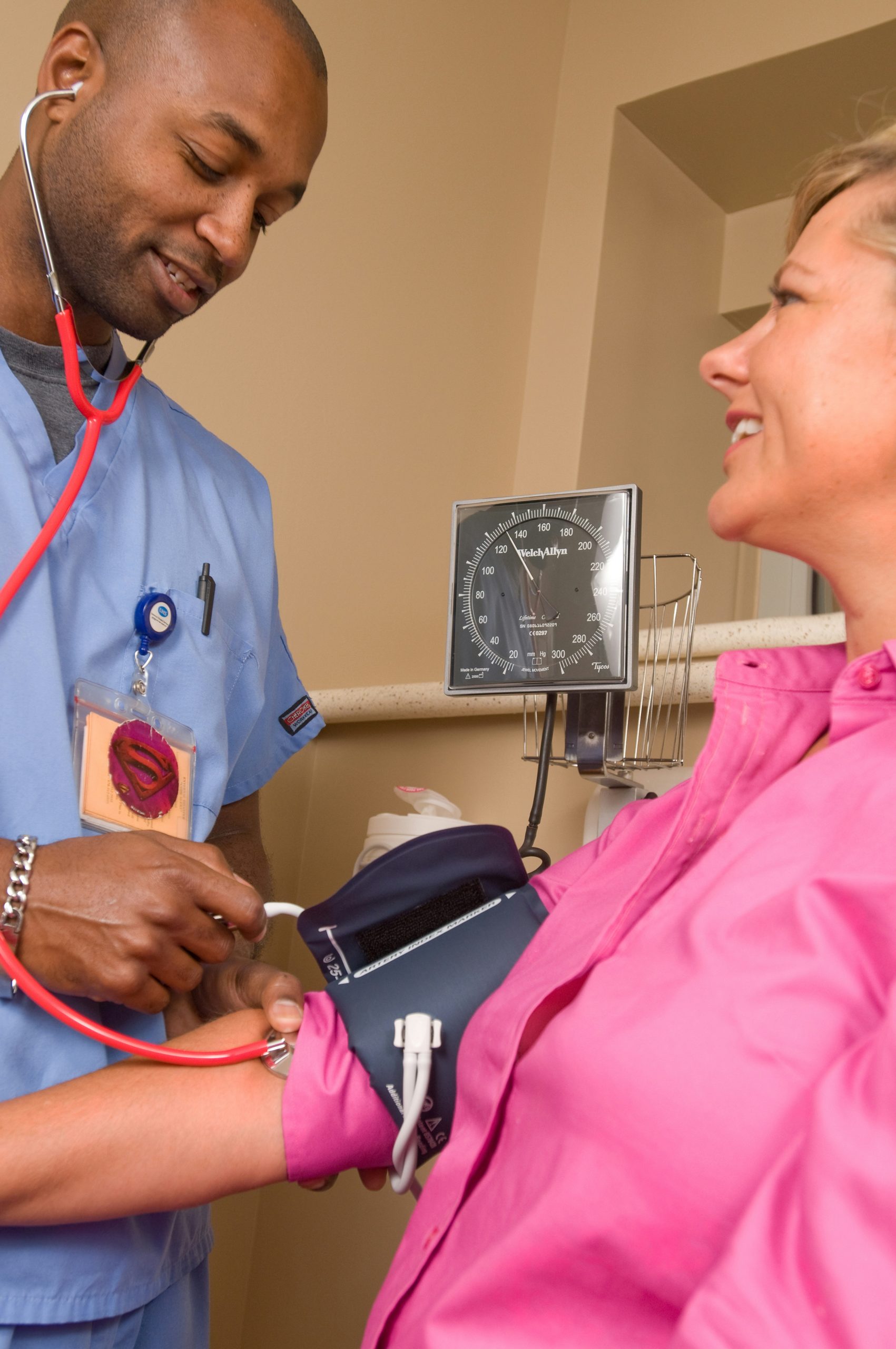
The physician will normally conduct a routine physical assessment.
This may include:
- Height and weight.
- Blood pressure.
- Vision check.
- Hearing assessment.
- Heart examination.
- Lung examination.
- Abdominal examination.
- General mobility assessment.
The purpose is not to determine physical fitness for employment but to identify medical conditions relevant under immigration regulations.
⸻
Chest X-Ray
Many countries require chest X-rays to screen for tuberculosis.
Chest imaging may be required for:
- Adults.
- Long-term visa applicants.
- Permanent residence applicants.
- Employment-based immigration.
Children and pregnant applicants may be assessed differently according to official medical guidelines.
The panel physician will explain any alternative procedures if applicable.
⸻
Laboratory Tests
Depending on your destination country and visa category, laboratory testing may include:
- Blood tests.
- Urine tests.
- Infectious disease screening.
- Additional investigations where clinically indicated.
Not every applicant requires every laboratory test.
Testing protocols vary between countries and visa programmes.
⸻
Vaccination Review
The physician will review your vaccination history if required by your destination country.
If records are incomplete, the physician may:
- Recommend additional vaccinations.
- Request further documentation.
- Explain available options under applicable immigration regulations.
Keeping accurate vaccination records before applying can simplify this part of the examination.
⸻
Duration of the Examination
Most immigration medical examinations are completed within one to three hours.
However, additional testing may extend the process if:
- Laboratory investigations are required.
- Specialist referrals become necessary.
- Additional imaging is requested.
- Vaccination records require verification.
Applicants should avoid scheduling important commitments immediately after the appointment whenever possible.
⸻
Tip 3
Treat your immigration medical examination like an official government appointment—not an ordinary doctor’s visit.
Arrive prepared, follow instructions carefully, answer questions honestly, and keep copies of every receipt, reference number, and appointment confirmation.
Good organization at this stage can save weeks of unnecessary processing delays later.
⸻
Medical Verification and Electronic Submission
Once your examination has been completed, your role as the applicant is usually finished—for the moment.
The next stage is handled primarily by the approved panel physician and, ultimately, the immigration authority processing your application.
Many applicants mistakenly believe they must personally submit their medical results. In most modern immigration systems, that is no longer the case.
Countries such as the United States, Canada, Australia, and New Zealand use secure electronic medical reporting systems that allow approved physicians to submit examination results directly to immigration officials.
This reduces paperwork, minimizes errors, and speeds up processing.
What Happens After Your Examination?
After your appointment, the clinic will generally:
- Review your medical history.
- Analyze laboratory results.
- Examine X-ray findings.
- Confirm your identity.
- Complete the required immigration medical forms.
- Upload or send the results using the approved government system.
If additional tests are necessary, the physician may delay submission until all required information has been received.
Electronic Medical Submission
Many immigration authorities now require electronic transmission of medical reports.
Electronic submission helps:
- Reduce processing delays.
- Improve document security.
- Prevent lost paperwork.
- Allow immigration officers to access medical results more quickly.
Applicants are often given:
- A medical reference number.
- An information sheet.
- A receipt confirming the examination.
Keep these documents until your immigration application has been finalized.
What If Additional Tests Are Required?
Occasionally, the examining physician may request further medical investigations.
This does not automatically mean there is a problem.
Additional tests may be requested because:
- A laboratory result requires clarification.
- A chest X-ray needs further review.
- Previous medical records are incomplete.
- A specialist opinion is necessary.
- Vaccination records need confirmation.
Follow the physician’s instructions carefully and complete any additional testing as soon as possible.
Delays in responding can slow your immigration application.
Specialist Referrals
Some applicants may be referred to specialists for further assessment.
Examples include:
- Respiratory physicians.
- Cardiologists.
- Infectious disease specialists.
- Psychiatrists.
- Orthopaedic specialists.
A referral simply provides immigration authorities with more detailed medical information before a decision is made.
Step 5: Final Immigration Processing After Medical Clearance
Once medical results have been submitted, immigration authorities review them alongside every other part of your application.
Medical clearance is only one component of the overall decision.
Immigration officers also assess:
- Identity.
- Character requirements.
- Financial evidence.
- Educational qualifications.
- Employment history.
- Sponsorship documentation.
- Security screening.
- Immigration eligibility.
Meeting the medical requirement does not automatically guarantee visa approval.
Likewise, many medical conditions do not automatically result in visa refusal.
Each application is assessed according to the laws and regulations of the destination country.
Medical Result Status
Depending on your destination, medical results may be classified as:
- Satisfactory.
- Further assessment required.
- Additional information requested.
- Pending specialist review.
Applicants are usually contacted only if further action is needed.
Medical Result Validity
Immigration medical examinations are generally valid for a limited period.
Although validity periods vary between countries and visa categories, many medical examinations remain valid for approximately 12 months from the date of completion.
If immigration processing extends beyond the validity period, applicants may be required to complete a new medical examination.
For this reason, applicants should avoid scheduling medical examinations too early unless instructed to do so by the immigration authority.
What Is Medical Inadmissibility?
One of the most misunderstood aspects of immigration is the concept of medical inadmissibility.
Medical inadmissibility does not mean that every applicant with a medical condition will be refused.
Instead, immigration authorities assess whether a medical condition falls within the legal grounds established under their immigration legislation.
Different countries apply different standards.
Factors considered may include:
- Public health risks.
- Public safety concerns.
- The expected need for publicly funded healthcare or social services (where permitted by law).
- Compliance with vaccination or communicable disease requirements.
Many applicants with chronic medical conditions are successfully granted visas every year.
The outcome depends on the applicable immigration laws and the individual circumstances of each case.
What Applicants Should Do After Completing the Medical Examination
After your appointment:
- Keep your medical reference number.
- Save all receipts.
- Monitor your immigration application status.
- Respond promptly to any requests for additional information.
- Avoid unnecessary repeat examinations unless officially instructed.
If your contact details change while your application is being processed, notify the relevant immigration authority according to their official procedures.
Practical Tips for a Smooth Medical Examination
To reduce stress and improve efficiency:
Before the Appointment
- Confirm the clinic is officially approved.
- Read all appointment instructions carefully.
- Gather every required document.
- Wear comfortable clothing.
- Bring prescription glasses if you use them.
- Carry vaccination records whenever possible.
During the Examination
- Arrive early.
- Answer questions honestly.
- Inform the physician about existing medical conditions.
- Follow all testing instructions.
- Ask questions if anything is unclear.
After the Examination
- Retain your receipt and medical reference number.
- Complete any additional tests promptly.
- Check your email regularly for immigration updates.
- Follow official instructions if further documentation is requested.
Common Misconceptions About Immigration Medical Examinations
Myth 1: Every illness causes visa refusal.
False.
Most medical conditions do not automatically make an applicant ineligible for immigration.
Myth 2: Medical examinations are the same worldwide.
False.
Each country establishes its own immigration health requirements.
Myth 3: Family doctors can complete immigration medical examinations.
Usually false.
Many countries require examinations to be conducted only by approved panel physicians.
Myth 4: Additional medical testing means your visa will be refused.
False.
Additional testing is often requested simply to clarify medical findings before a final decision is made.
Myth 5: Once your medical examination is complete, your visa is guaranteed.
False.
Medical clearance is only one part of the immigration assessment.
Applicants must still satisfy all other legal and immigration requirements.
Tip 4
One of the smartest decisions an applicant can make is to schedule the immigration medical examination at the correct stage of the application process—not too early and not too late.
Timing matters.
Medical results that expire before a final immigration decision may require applicants to repeat the entire examination, creating unnecessary costs and delays.
Always follow the timing instructions provided by the official immigration authority handling your application.
Common Mistakes to Avoid
Immigration medical examinations are generally routine procedures, yet thousands of visa applications experience delays every year because applicants make avoidable mistakes.
In many cases, the medical examination itself is not the problem. Instead, poor preparation, incomplete documentation, missed deadlines, or failure to follow official instructions create unnecessary complications.
Avoiding the following mistakes can make your immigration journey significantly smoother.
1. Booking an Unauthorized Medical Clinic
This is one of the most expensive mistakes applicants make.
Many countries—including Canada, Australia, New Zealand, and the United States—accept medical examinations only from officially approved panel physicians.
Completing an examination at an unauthorized hospital or private clinic usually means:
- The results cannot be accepted.
- The examination must be repeated.
- Additional fees must be paid.
- Visa processing may be delayed.
Always verify the clinic through the official immigration website before making an appointment.
2. Waiting Until the Last Minute
Medical appointments are not always immediately available.
During peak immigration seasons, approved clinics may have waiting lists lasting several weeks.
Leaving your medical examination until the final days before your application deadline increases the risk of:
- Missing visa deadlines.
- Delayed processing.
- Expired admission offers.
- Employment start date complications.
Book early—but only after confirming the correct timing requirements for your visa category.
3. Bringing Incomplete Documentation
Applicants sometimes arrive without essential documents.
Commonly forgotten items include:
- Passport.
- Immigration reference number.
- Appointment confirmation.
- Vaccination records.
- Prescription medication list.
- Previous medical reports.
Without these documents, the clinic may postpone the examination or request another appointment.
4. Hiding Existing Medical Conditions
Some applicants believe that failing to disclose a previous illness will improve their chances of visa approval.
In reality, concealment can create more serious problems than the condition itself.
Panel physicians are trained to conduct detailed assessments, and immigration authorities may request additional medical information if inconsistencies are identified.
Providing truthful and complete medical information is always the safest approach.
5. Ignoring Vaccination Requirements
Many immigration programmes require applicants to demonstrate compliance with vaccination requirements.
Applicants who cannot provide reliable vaccination records may need:
- Additional vaccinations.
- Blood tests to confirm immunity.
- Further medical appointments.
Obtaining vaccination records before scheduling your immigration medical examination can save valuable time.
6. Missing Requests for Additional Testing
Sometimes the examining physician requests:
- Repeat blood tests.
- Specialist consultation.
- Additional imaging.
- Updated medical reports.
Ignoring these requests may delay the submission of your medical results and postpone immigration processing.
Respond promptly whenever additional information is requested.
7. Assuming Every Country Uses the Same Rules
Immigration medical policies differ considerably.
For example:
- The United Kingdom often focuses on tuberculosis screening for eligible applicants.
- Canada uses designated panel physicians.
- Australia operates a comprehensive electronic medical assessment system.
- Gulf countries emphasize medical fitness for employment and long-term residence.
Always follow the official procedures of your intended destination rather than relying on advice based on another country’s immigration system.
8. Believing Social Media Instead of Official Sources
Immigration advice shared on social media may be outdated, incomplete, or entirely inaccurate.
Policies can change without warning.
Before making important decisions, verify information through official government immigration websites or authorized visa application centres.
Benefits of Completing Immigration Medical Examinations Properly
Although medical examinations are often viewed as another administrative requirement, completing them correctly offers several important advantages.
Faster Immigration Processing
Applicants who follow official procedures and submit complete medical information often experience fewer avoidable delays.
Electronic submission by approved physicians also helps speed up processing in many countries.
Greater Confidence Throughout the Application
Knowing that your medical examination has been completed correctly allows you to focus on the remaining stages of your immigration process.
Preparation reduces uncertainty and unnecessary stress.
Compliance with Immigration Law
Medical examinations demonstrate that applicants have met one of the legal requirements established under many national immigration systems.
Compliance helps ensure that applications can proceed without interruptions caused by missing medical documentation.
Protection of Public Health
Immigration medical examinations are designed not only to assess applicants but also to protect communities by identifying certain communicable diseases and ensuring that appropriate public health measures are followed where necessary.
Improved Long-Term Immigration Planning
Understanding how immigration medical examinations work can also benefit applicants who later apply for:
- Visa renewals.
- Permanent residence.
- Family sponsorship.
- Citizenship.
- Employer-sponsored immigration programmes.
Experience with one immigration medical examination often makes future applications much easier.
Frequently Overlooked Health Requirements
Applicants sometimes focus exclusively on laboratory tests while overlooking other important requirements.
These may include:
- Valid vaccination documentation.
- Correct passport information.
- Medical examination validity periods.
- Official appointment instructions.
- Country-specific testing requirements.
- Occupational health assessments for regulated professions.
Reviewing every requirement before attending the examination helps minimize unexpected issues.
Practical Advice for Different Applicant Categories
International Students
- Confirm whether your study permit requires a medical examination.
- Keep copies of vaccination records.
- Schedule your examination early enough to avoid delays before your programme begins.
Skilled Workers
- Understand whether your occupation requires additional medical screening.
- Review employer instructions carefully.
- Ensure your medical examination remains valid until your work permit is issued.
Permanent Residence Applicants
Permanent residence applications often involve more comprehensive medical assessments.
Keep copies of all correspondence and respond promptly if additional medical information is requested.
Family Sponsorship Applicants
Every family member required to undergo a medical examination should complete the process according to the official instructions provided by the immigration authority.
One incomplete medical examination can delay the processing of the entire application.
Final Preparation Before Immigration Approval
Before your visa decision is finalized, ensure that:
✔ Your medical examination has been completed by an approved physician.
✔ All requested laboratory tests have been submitted.
✔ Additional medical information has been provided if requested.
✔ Your passport remains valid.
✔ Your contact information is current.
✔ You regularly monitor your immigration application status.
Being proactive at this stage helps avoid unnecessary delays during final processing.
Insight
The most successful immigration applicants are rarely those who encounter no challenges.
They are the ones who prepare thoroughly, follow official instructions carefully, respond quickly when additional information is requested, and rely on verified government guidance rather than assumptions.
A well-managed medical examination is not just another requirement—it is an important step toward achieving your study, work, or migration goals.
Frequently Asked Questions (FAQs)
FAQ 1: Is an immigration medical examination required for every visa?
No.
Medical examination requirements depend on the destination country, visa category, intended length of stay, occupation, age, and, in some cases, your recent travel or residence history. Short-term tourist visas often do not require a medical examination, while many work, study, and permanent residence visas do.
FAQ 2: How long is an immigration medical examination valid?
The validity period varies by country and visa category. For many immigration programs, medical examinations remain valid for up to 12 months, although some countries may apply different validity periods. If your application is not finalized before the medical expires, you may be asked to complete another examination.
FAQ 3: Can I choose my own doctor?
Usually, no.
Most immigration authorities require applicants to attend an approved panel physician or designated medical clinic. Medical reports from unauthorized doctors are generally not accepted for immigration purposes.
FAQ 4: What happens if the doctor discovers a medical condition?
Finding a medical condition does not automatically lead to a visa refusal.
The examining physician simply records the findings and submits them to the immigration authority. The final immigration decision is made according to the country’s immigration laws and medical admissibility requirements.
FAQ 5: Can pregnant applicants complete immigration medical examinations?
Yes.
However, certain procedures, such as chest X-rays, may be postponed or modified depending on medical advice, the stage of pregnancy, and the immigration authority’s policies. Applicants should inform the panel physician if they are pregnant before the examination begins.
FAQ 6: What should I bring to my medical examination?
Most applicants should bring:
- A valid passport
- Medical examination request letter (if issued)
- Appointment confirmation
- Passport photographs (if requested)
- Vaccination records
- Prescription medication list
- Previous medical reports where applicable
- Eyeglasses or contact lenses if normally used
Always follow the checklist provided by the official immigration authority or approved clinic.
FAQ 7: How long does an immigration medical examination take?
Most examinations are completed within one to three hours.
If additional laboratory tests, specialist consultations, or further investigations are required, the process may take longer.
FAQ 8: Can I appeal if my visa is refused because of medical reasons?
Appeal and review options vary between countries.
Some immigration systems provide formal appeal procedures, while others allow applicants to submit additional medical evidence or submit a new application after addressing the issues identified.
Applicants should always review the refusal notice carefully and consult the official immigration authority for guidance.
Editorial Review
This guide has been prepared using publicly available information published by official immigration departments, government health authorities, and recognized international organizations available at the time of publication.
Immigration laws, public health policies, vaccination requirements, panel physician lists, medical admissibility standards, and visa procedures may change without prior notice.
Readers should always verify current requirements through the official government website of their intended destination before scheduling an immigration medical examination or submitting a visa application.
This publication is intended solely for educational and informational purposes and should not be considered legal or immigration advice.
Author Information
Prepared by Zenith Height Concept
Zenith Height Concept is an independent educational publishing platform dedicated to providing reliable information on international education, scholarships, immigration pathways, overseas employment, career development, and global mobility.
Our editorial team is committed to producing well-researched, easy-to-understand content supported by official government sources to help readers make informed decisions about studying, working, and living abroad.
Editorial Disclaimer
Although every reasonable effort has been made to ensure the accuracy of this publication, immigration regulations, medical examination requirements, government fees, visa policies, and healthcare procedures are subject to change.
Readers should always consult the relevant immigration authority or official government website before making financial commitments or submitting immigration applications.
Zenith Height Concept does not represent any government agency, embassy, immigration authority, university, or employer and cannot guarantee visa approval, medical clearance, admission, employment, or immigration success.
Every application is assessed individually under the laws and policies of the destination country.
References
The information presented in this guide has been reviewed against official government and international resources, including:
• U.S. Department of State – Panel Physician Information
https://travel.state.gov
• U.S. Citizenship and Immigration Services (USCIS)
https://www.uscis.gov
• Immigration, Refugees and Citizenship Canada (IRCC) – Immigration Medical Exams
https://www.canada.ca
• UK Government – Tuberculosis (TB) Test for Visa Applicants
https://www.gov.uk
• Australian Department of Home Affairs – Health Requirements
https://immi.homeaffairs.gov.au
• Immigration New Zealand – Health Requirements
https://www.immigration.govt.nz
• European Union Immigration Portal
https://immigration-portal.ec.europa.eu
• World Health Organization (WHO)
https://www.who.int
• International Organization for Migration (IOM)
https://www.iom.int
• Gulf Health Council
https://www.ghc.sa

About the Author
Zenith Height Concept is the founder of ZHC Faculty, a platform focused on scholarships, study abroad opportunities, visa sponsorship jobs, immigration guides, and international career development. Through detailed research and practical insights, Zenith helps readers discover genuine pathways to study, work, and build successful careers abroad.